“WHEN FASCIA GOES ROGUE” PART I

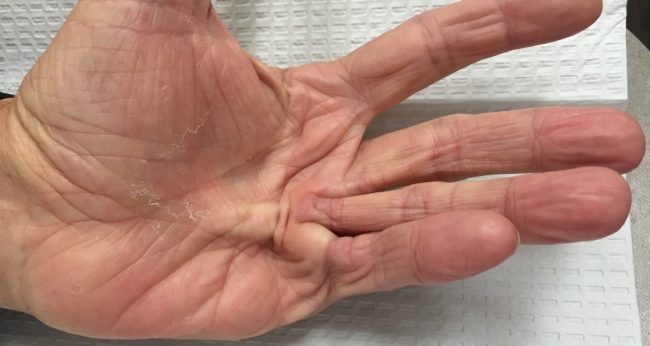
DUPUYTREN’S CONTRACTURE Dupuytren’s contracture is a condition most therapists have seen at some point in their careers. Characterised by contracture of the connective tissues of the palmar aponeurosis which cover the flexor tendons of the hand (Chaitow, 2014), Dupuytren’s commonly affects older men particularly of Scandinavian and Celtic ancestry (earning it the title “Viking disease”).…

Details

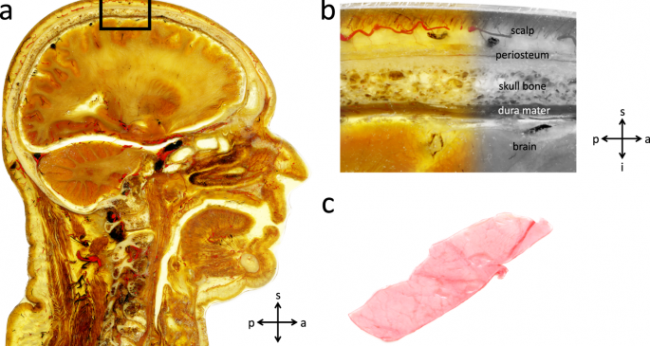
Meningeal Fascia

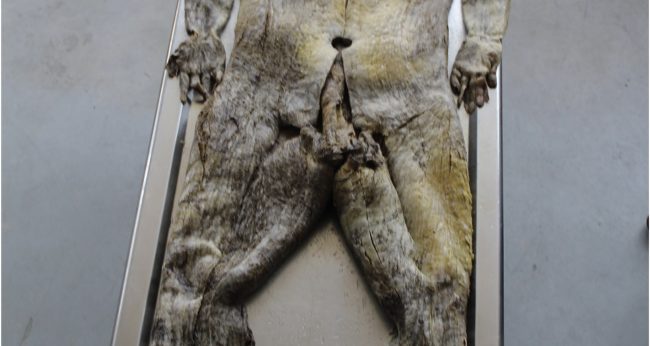
We spend a lot of time studying the fascia of the musculoskeletal fascia – and who could blame us? – but over the next few weeks we’ll be delving into the visceral fascia. In this lovely illustration from Nature, we can see the Dura Mater, or “tough Mother” forming the outermost of the three meningeal…

Details

ACL Injury Prevalence in Females

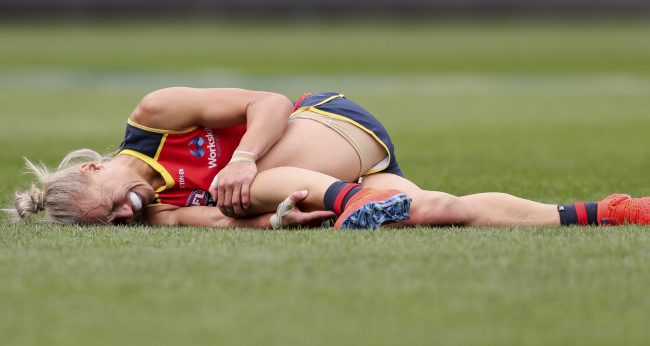
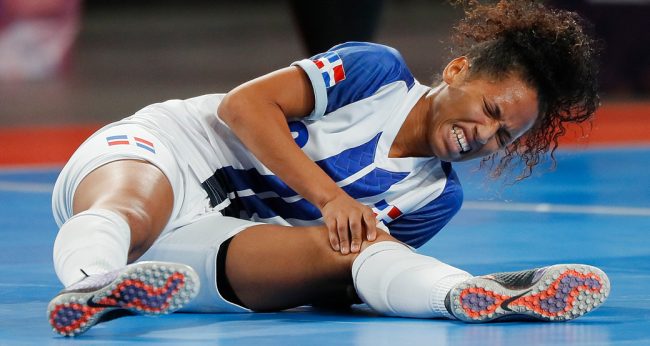
I’ve touched on the heightened prevalence of ACL injuries in females compared to males in athletic populations – between 2 and 8 times more frequently, depending on which authors you’re reading! Today I’d like to explore this a little further…. A consensus statement came to light in a 2016 article that appeared in the Journal…

Details

FASCIA AND AGING

Aging is a major influence on fascia, never more obvious (unfortunately!) than in the sagging and wrinkling of skin. The density, thickness and integrity of fascia tends to deteriorate, with a general loss in organisation and structure. The arrangement of collagen fibrils becomes denser and more regular with age, with an associated gradual decrease in the…

Details

FASCIA AND THE INFLUENCE OF HORMONES

Caterina Fede and her associates hypothesized that hormones – namely estrogen and relaxin, for example – are possibly implicated in the sensitization of fascial nociceptors. These hormones are critical to remodeling of the extracellular matrix by constraining fibrosis and inflammation, both of which exert a major influence on the stiffness of fascia and on sensitization…

Details